Robots That Inspect.
Records That Prove It.
FacilityOps AI is an autonomous inspection platform delivered by an autonomous fleet. Most inspection software waits for a human to fill in a form. We orchestrate the autonomous mobile robots that do the inspecting, running the same route identically on every pass. Replacing inconsistent manual walk-throughs with precise robotic capture turns facility inspections into verifiable, audit-ready evidence.
Operational Honesty
A robot cannot see inside a closed switchgear case, and a real share of the points that need a thermal survey sit inside those cases. We document condition between surveys. We do not replace the survey, and we do not claim coverage of any standard. We capture condition evidence against them.
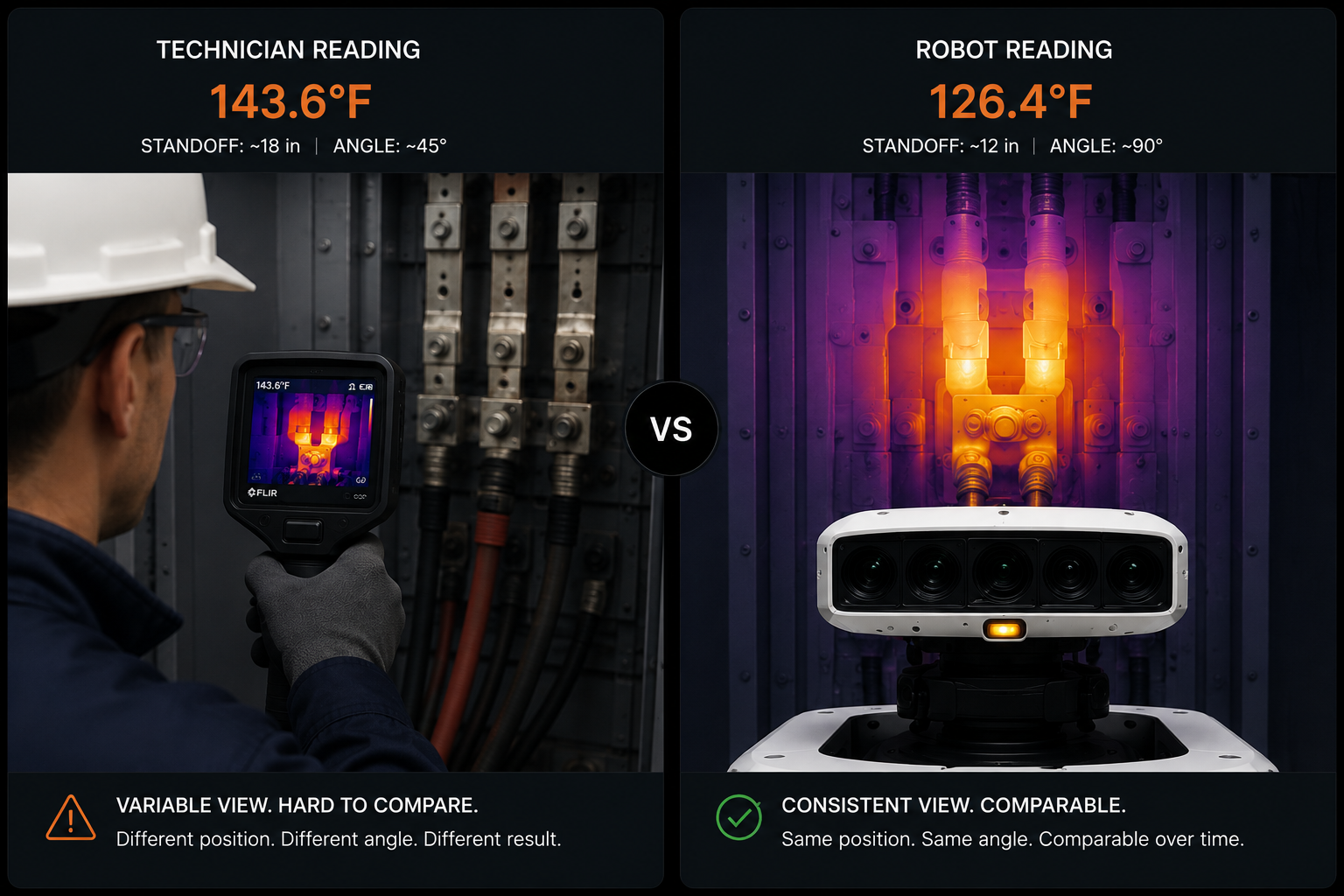
Two People, Same Lug, Two Different Numbers
Hand a technician a thermal camera and ask them to capture a connection the way they would on a walk-round. Then have a robot capture the same point. The two readings differ, taken seconds apart on the same piece of equipment.
Neither reading is wrong. They’re just not comparable, because the standoff, the angle and the framing were different, and last quarter’s reading was taken by someone else standing somewhere else.
A number you can’t compare isn’t a trend. It’s just a number.
Built on Recognized Industry Guidance
FacilityOps AI is built on verified maintenance, inspection, and operational reliability guidance from recognized industry organizations.
NFPA 70B (2026)
Electrical Maintenance Programs Require Documented Inspection Records
Uptime Institute
54% of Significant Data Center Outages Cost More Than $100K
DOE / ENERGY STAR
Routine Maintenance Improves Equipment Performance and Energy Efficiency
ANSI / NETA
Standardized Inspection Practices Improve Inspection Quality and Consistency
McKinsey
Data Center Capacity Expected to Grow 19–22% Annually
The Hidden Cost of Missed Inspections
Incomplete inspections create reporting gaps, reduce operational visibility, delay maintenance decisions, and increase compliance risk.

Inspection Coverage Gaps
Critical assets or facility areas may not receive the required inspection coverage.

Incomplete Inspection Records
Incomplete records make inspection activity difficult to verify and track.

Compliance Documentation Risks
Missing documentation can create challenges during audits and compliance reviews.

Delayed Issue Detection
Operational issues may remain undetected until they become larger problems.
Why Autonomy and Multi-Sensor Capture Change the Evidence
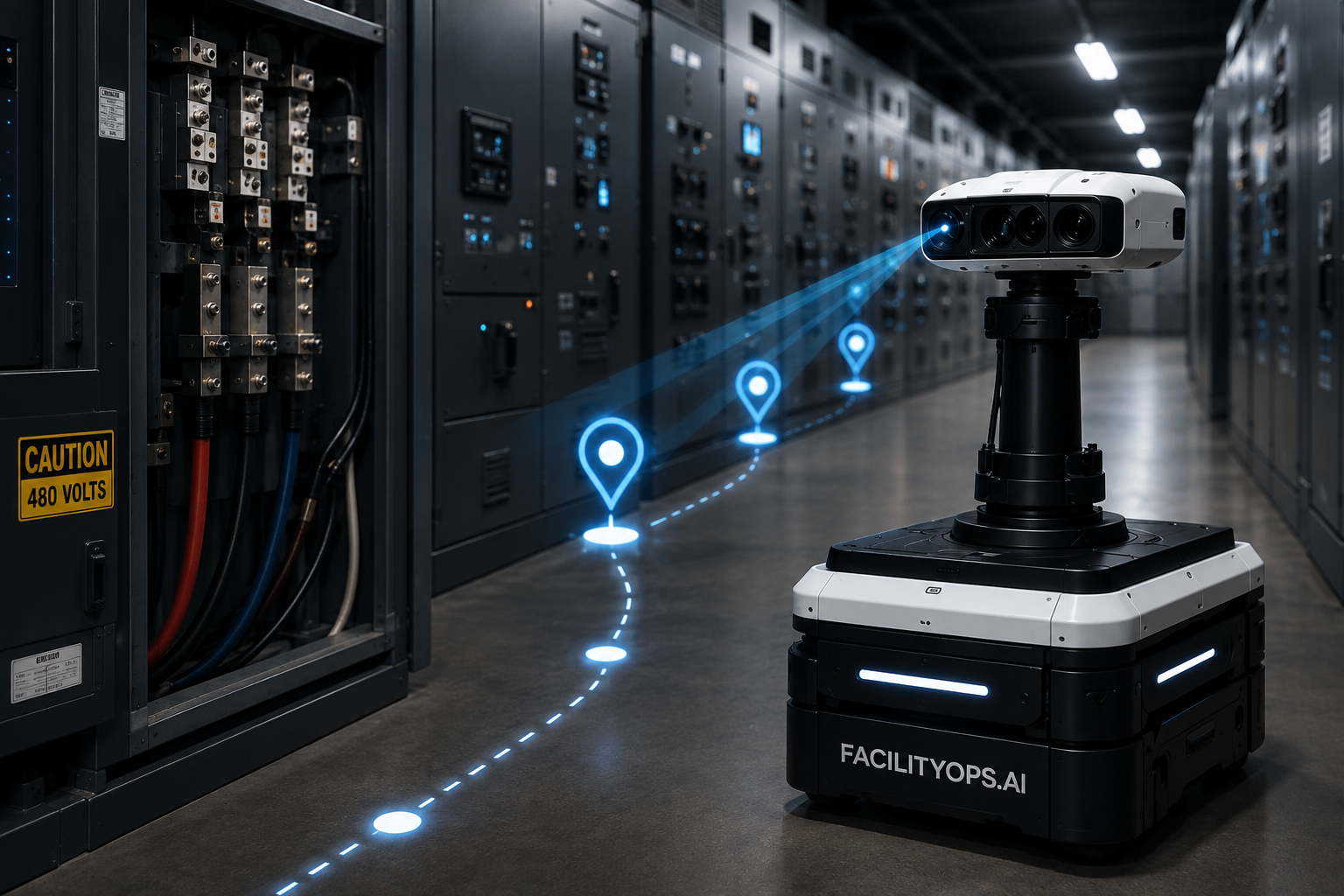
An autonomous route holds position. Same checkpoint, same angle, every pass. Nothing gets skipped because the shift ran long.
It also refuses. If it can’t reach a position or read a gauge cleanly, it records that it couldn’t, rather than reporting a number it didn’t measure. It checks it’s looking at the asset the route names, and says so when it isn’t. Mislabelled and mismapped points are one of the most common problems facility teams raise, and a system that catches itself is worth more than one that always succeeds.
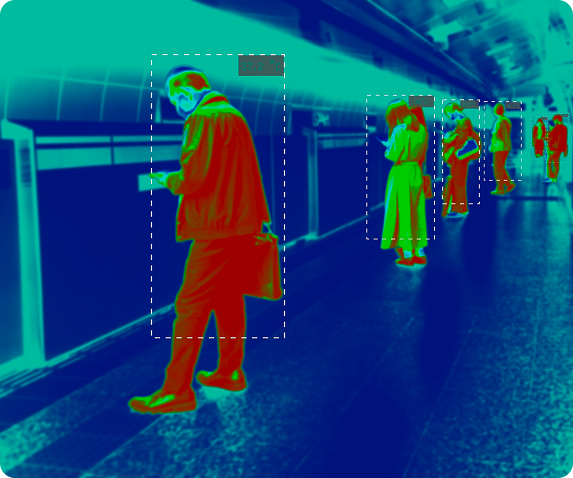
And it carries more than a camera. A thermal survey finds a hot connection. It doesn’t find a pump bearing starting to vibrate, or conditions drifting in a room nobody walks at night. Our sensor hub carries thermal, visual, environmental, acoustic and vibration sensing on one unit, on every machine in the fleet.
Why Autonomous Inspection Matters for Critical Infrastructure
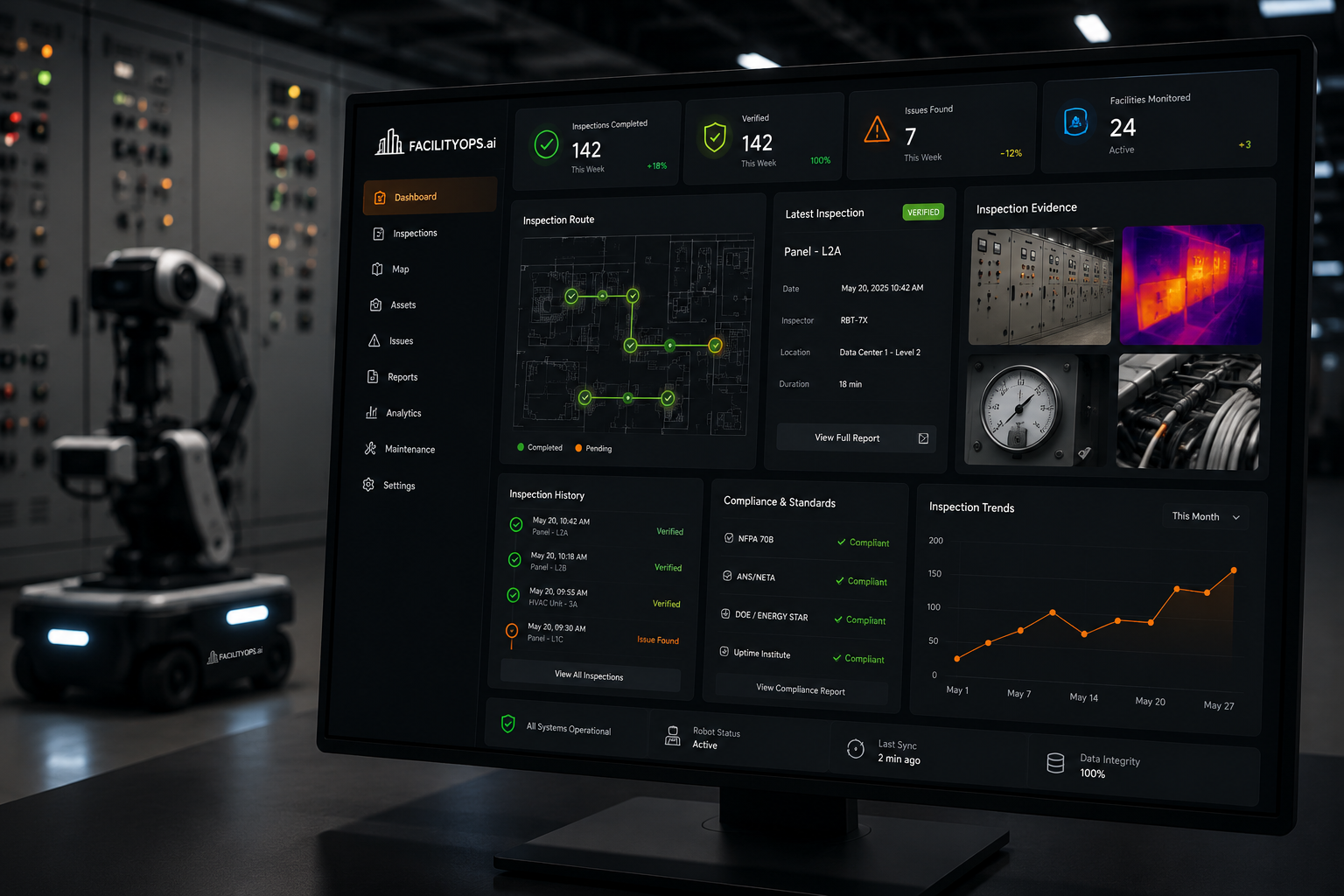
Standardized inspection workflows help organizations verify completed inspections, maintain inspection history, improve accountability, and support maintenance programs.
 Verify completed inspections
- Maintain inspection history
- Improve operational visibility
- Support audit readiness
Manual Inspection Records vs Verified Inspection Records
The quality of operational decisions depends on the quality of inspection evidence. Compare traditional inspection processes with a verified inspection program.
Traditional Inspection
- Manual inspection records
- Inspection completion cannot be verified
- Limited operational visibility
- Difficult audit preparation
- Delayed issue detection
Verified Inspection
- Verified inspection records
- Standardized inspection workflows
- Complete inspection history
- Audit-ready documentation
- Evidence-based operational visibility
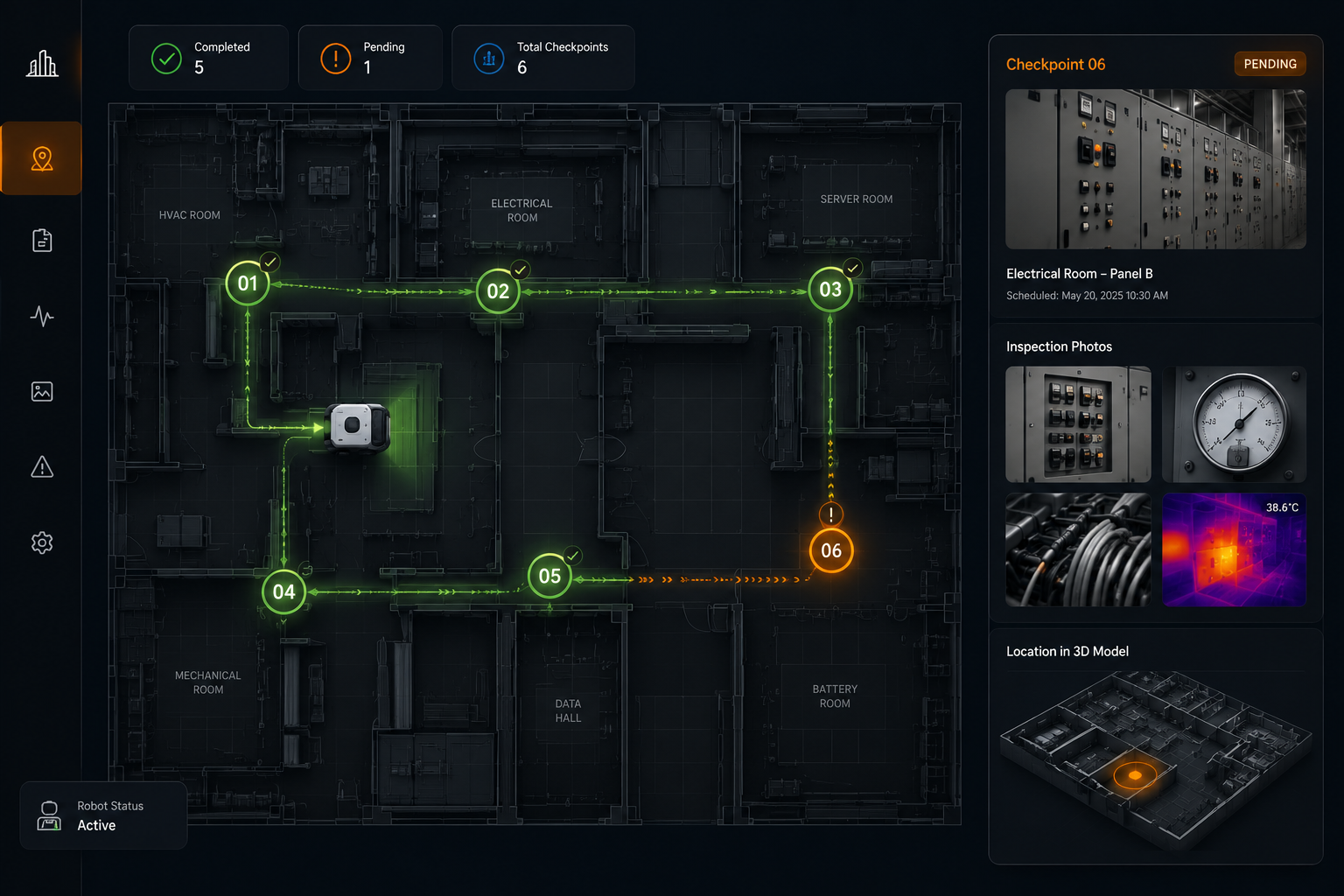
From Inspection Records to Operational Visibility
Inspection evidence becomes more valuable when every inspection is documented, verified, searchable, and connected to operational history.
- Verified inspection records
- Inspection history
- Maintenance documentation
- Operational visibility
- Audit-ready reporting
Improve Reliability and Compliance
Standardized inspection records support maintenance programs, operational reliability, compliance documentation, and long-term asset performance.
- Reduce downtime risk
- Improve maintenance planning
- Support compliance audits
- Standardize inspections across facilities
- Create operational accountability
- Build long-term asset history
Get the Inspection Evidence Checklist
Three fields. We’ll send the checklist straight away.
Ready to Verify Every Inspection?
See how FacilityOps AI creates verified inspection records, improves operational visibility, and supports audit-ready operations across every facility.